
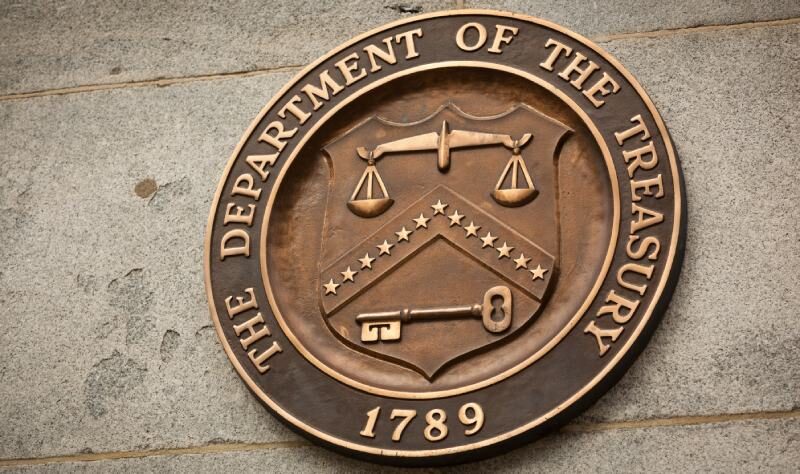
An important report has been published by the Treasury Department on stablecoins, one of the most talked about topics in the US in recent years. In fact, the report was a financial assessment of the 4th quarter of 2024, but the majority of the 132-page report was devoted to stablecoins.
“It will eventually be replaced by CBDC”
While the Ministry seems to have concerns about the growth of the stablecoin market, it was written that stablecoins will eventually be replaced by a CBDC, and even that they should be:
“Just as private money was eventually replaced by a state-backed currency in the 1800s, CBDCs will replace these digital currencies here. The stablecoin market is growing significantly. Today, stablecoin issuers have purchased a total of nearly $120 billion in Treasury bonds. The US government should finally step in and put forward a CBDC, presumably backed by the Fed”
“Major sell-offs could occur in a short time”
The report, which stated that “so many” bonds purchased by stablecoin issuers would pose a great risk and could even lead to disaster, included the following statements:
“The collapse of a stablecoin issued by a large company like Tether would cause the US bonds held by the company to be sold rapidly. Considering that stablecoin companies make up a significant portion of the Treasury bond market, this situation could pose a great risk. The increasing connection between traditional finance and stablecoins also poses a risk to the financial world. The further strengthening of this connection could lead to disaster”
The report also stated that 80% of crypto transactions are made with stablecoins. The largest stablecoin, USDT, has a trading volume of $53 billion in the last 24 hours…
Tether, the company behind USDT, recently announced that it holds 48 tons of gold, 82 thousand BTC and $100 million worth of US Treasury bonds. Tether, headquartered in the Caribbean Islands, is known as one of the crypto companies that have been on the radar of US authorities for years.
The US-based Circle company is the issuer of USDC, the second largest stablecoin…
A serious group of politicians in the US also opposes CBDCs because they hinder privacy.