
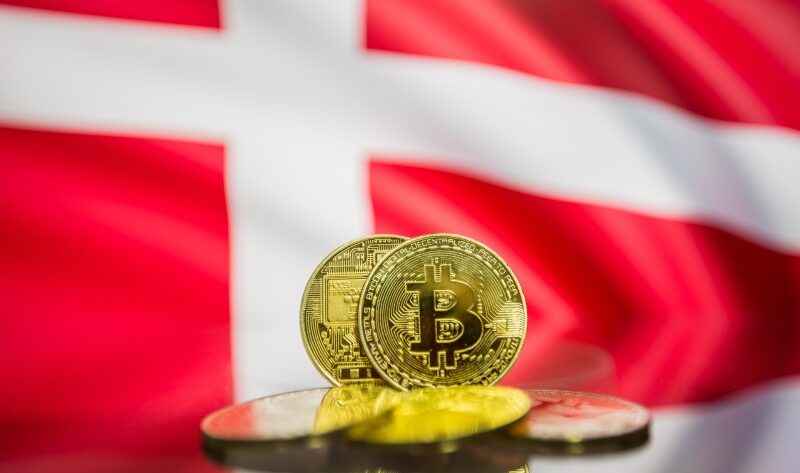
Denmark is on its way to becoming the first country in the world to tax unrealised profits in cryptocurrencies. If the relevant draft law is passed, the application will enter into force on January 1, 2026. The tax rate will be 42%. Experts are certain that this practice, which is also found in other investment assets, will pass.
As it is known, tax rates in Northern European countries such as Denmark and Sweden are much higher than in other countries. This tax, which will be levied on cryptocurrencies in Denmark, will actually be put into effect to make this area compatible and similar with other earnings taxes.
The Tax Law Council in the country has proposed to tax past Bitcoin purchases going back to 2009, such as future cryptocurrencies. That is, investors holding any cryptocurrency will be subject to this 42% tax. It will not matter whether people sell their assets or not.
The Minister found the proposal ‘logical’
Denmark’s minister responsible for taxes, Rasmus Stoklund, supported the commission’s proposal in his statement on the subject and said:
‘To date, many Danish citizens have been heavily exposed to crypto taxes. This proposal of the Council includes more sensible rules. Taxes can be levied at a more reasonable level from the gains and losses of crypto investors.’
Additional measures will also be taken
Considering the decentralised structure of cryptocurrencies, the authorities will also take additional measures to collect taxes. In a previous statement by the government, it was informed that from 2027, the information of Danish crypto investors will also be shared with international institutions. In addition, an additional law will be enacted for stock exchanges and other platforms to share customer information with government agencies. This bill is expected to be enacted in 2025.
After Italy…
As it will be remembered, it was recently announced that the 26% capital gains tax on cryptocurrencies in Italy was aimed to be increased to 42%.
This announcement drew great reaction from the crypto world. Denmark’s draft law, which includes these heavy rules and obligations, is likely to be severely criticised.