
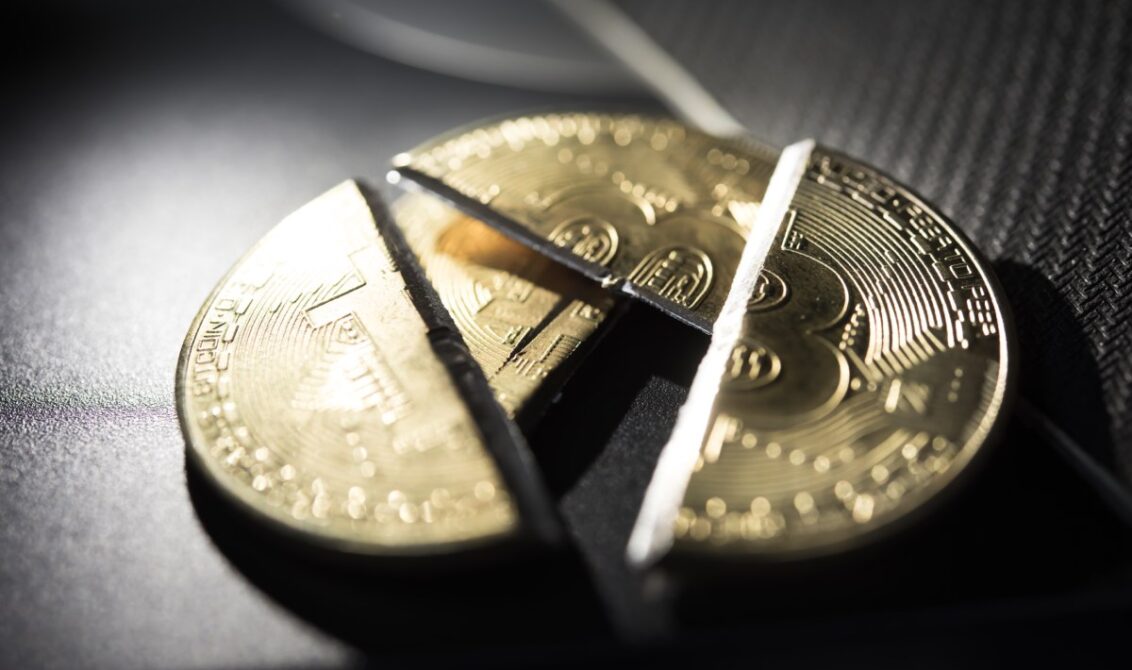
While the crypto world has been expecting an interest rate cut from the Fed and an increase in risky assets for months, many negative events prevented prices from going up.
While Bitcoin saw its historical peak of $73,000 in March, it showed a downward performance after halving.
“It’s time for founders and investors to move away from the notion of a four year cycle”
Jasper De Maere, research manager at Outlier Ventures, stated in his latest report that post-halving Bitcoin performance is one of the worst so far and used the following statements:
“Four months after the latest Bitcoin halving, we’re witnessing the worst price performance following any halving to date. The halving no longer has a fundamental impact on the price of BTC and other digital assets, with the last time it had dating back to 2016. It’s time for founders and investors to move away from the notion of a four year cycle as digital asset markets mature.”
The reward halving on 20 April reduced the reward miners earned per block in Bitcoin from 6.25 to 3.125 BTC. This was a big blow to mining companies in particular.
When is the rise in halvings coming?
In De Maere’s report, 125 days after the halvings; It is seen that there was an increase of 739% in 2012, 10% in 2016 and 22% in 2020.
However, when we consider that Bitcoin adaptation was much less in the past, we see that the strength of the rises and falls is much higher. As the number of investors increases, volatility decreases. Therefore, especially the rise in 2012 can be excluded from the analysis here. The 10% rise in 2016 and 22% rise in 2020 are not as effective as today.
It is obvious that there are sharp rises after at least 6 months after the halving… Especially in the 2020 halving, it is worth remembering that the bull season came with the rises in December.
“Strong price action following the 2020 halving was also a coincidence”
De Maere also claimed that the rises in 2020 were also a coincidence, stating that the simultaneous arrival of both the DeFi summer, the post-Covid capital injection and the US monetary expansion pushed prices up. In other words, the analyst states that other global developments are effective here, not halving.