
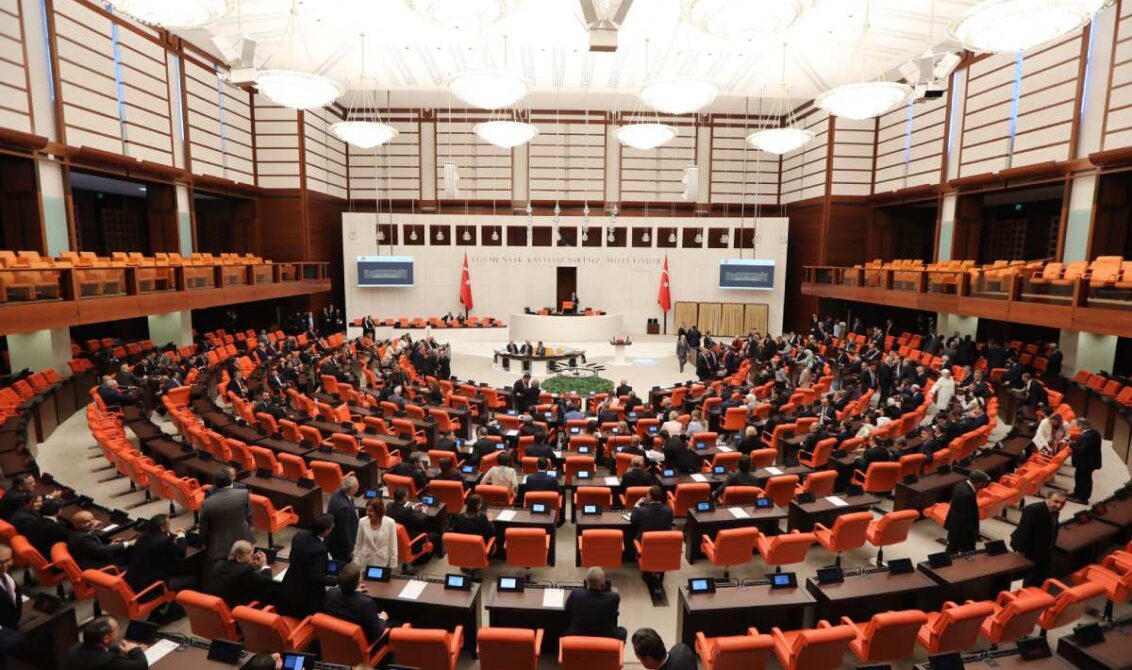
The “crypto asset law” passed by the Parliament last night, what does it include? Is the tax issue closed? What about leveraged transactions? Will foreign exchanges be banned? These are all questions that Turkish cryptocurrency investors still do not know the answer to.
No tax but…
As it is known, the issue of whether cryptocurrencies will be taxed or not has been one of the most curious questions of investors since the first day of the law discussions. Figures such as 40% or even 50% were put forward many times on the subject. However, the approved bill does not include a tax rate “for the time being”. 1% of the revenues of the central exchanges excluding interest is allocated to the CMB and 1% to TÜBİTAK… However, the Ministry of Finance’s recent introduction of additional taxes on many items and the opposition’s continuous speeches about the need for taxation during the parliamentary debates on the crypto law may lead to a change here.
Will foreign exchanges be banned?
After the tax, one of the most talked about issues was the situation of foreign exchanges. Especially the claim that the exchanges led by Binance would be banned and only Turkey-based companies would be able to provide services in this sense had been scaring investors for years. However, the law also brought a solution to this issue. If foreign exchanges (established abroad) do not have offices or Turkish websites in Turkey, or if they do not promote/advertise for Turkish residents, these exchanges will be accessible for crypto asset transactions. Foreign exchanges that fall under one of these conditions will be required to operate in Turkey with permission from the CMB, otherwise access will be blocked.
No approval for leveraged transactions and ATMs
During the 2021 bull season, many people who didn’t know much about the crypto markets resorted to leveraged trading to earn high profits. Today, leveraged transactions can still be made on many exchanges that can be accessed from Turkey. However, the sad events and the loss of large sums of money in a few transactions closed the way for such transactions. According to the law, leveraged transactions will not be allowed in institutions subject to Turkish regulations. ATMs where cryptocurrency deposits and withdrawals are made will also cease to exist in Turkey.
How will token listing and delisting work?
The issue of tokens listed or unlisted by centralized exchanges defined as platforms in the law was also addressed. In the texts stating that there are many good projects as well as bad examples in the decentralized ecosystem, it was stated that “In order to provide an element of balance within the system, platforms are obliged to establish a written procedure for the tokens they will list or delist”.
The authority to regulate additional rules on this issue was also given to the Capital Markets Board (CMB). TÜBİTAK may also be consulted on the principles and guidelines to be determined. The text also states that the listing of a cryptocurrency (token) does not mean that the exchange guarantees or trusts it.
Executives’ responsibility… Is there a prison sentence?
In recent years, events such as the bankruptcy of the US-based FTX exchange have left a mark on the crypto world and tens of thousands of people have suffered serious victimization due to the irresponsibility of exchange executives. In the relevant bill, there are many articles on the subject, including imprisonment.
For example, for the crime of embezzlement, the chairman and members of the board of directors of the stock exchange and employees who are at fault according to certain criteria may be sentenced to between 8 and 14 years in prison.
Judicial fines equivalent to 5-10 thousand days can be increased up to 20 thousand days if the nature of the offense increases.
If the offense is not committed by a company, but by an individual, the assets of the individuals concerned can also be seized.
Will the stock exchange’s debt be reflected in customer assets?
The law also addresses the separation of client and company funds. While the separation of funds, which is the most important issue especially in FTX bankruptcy, is mandatory, customer assets will not be in danger due to the debts or obligations of the exchange and these assets cannot be seized.